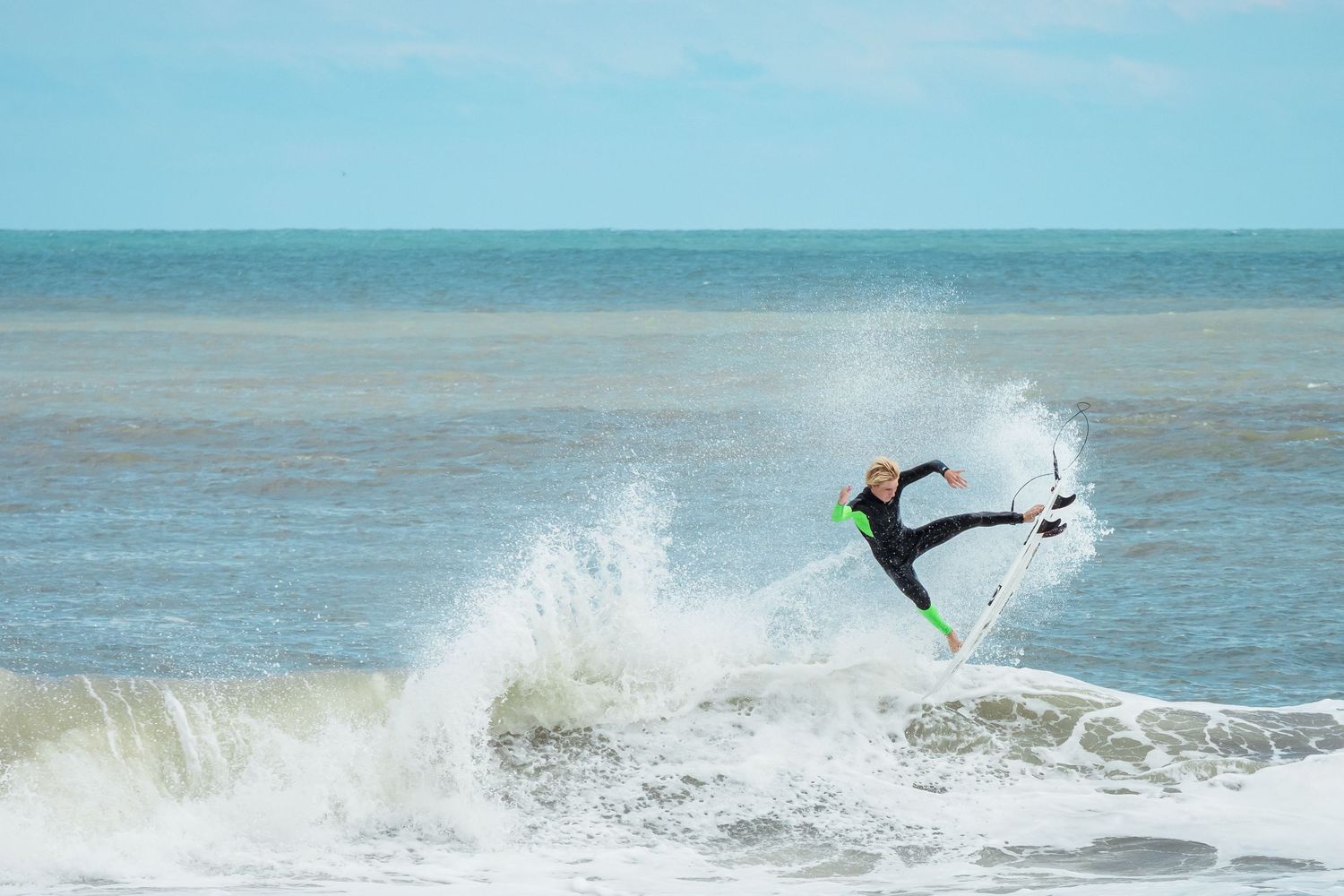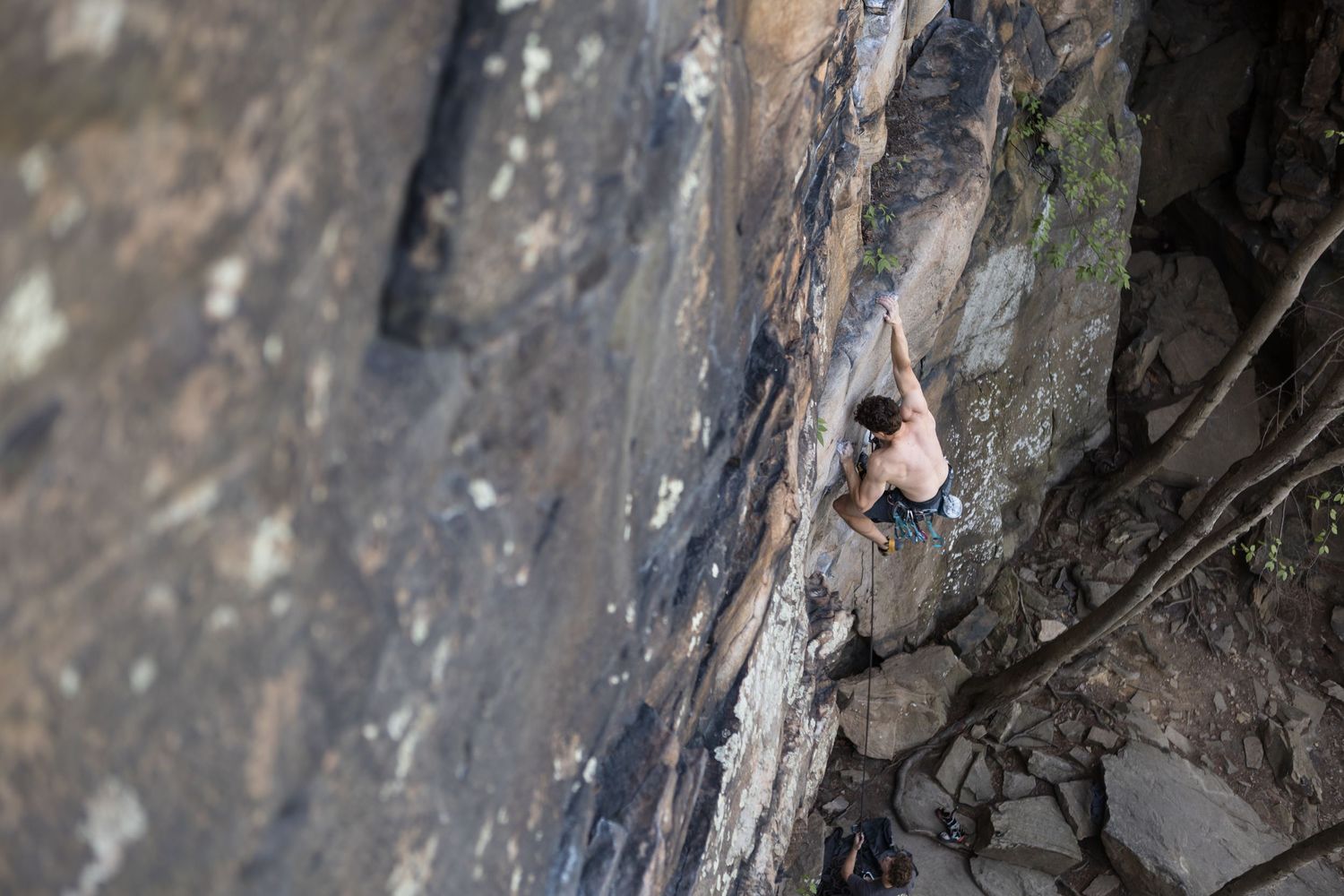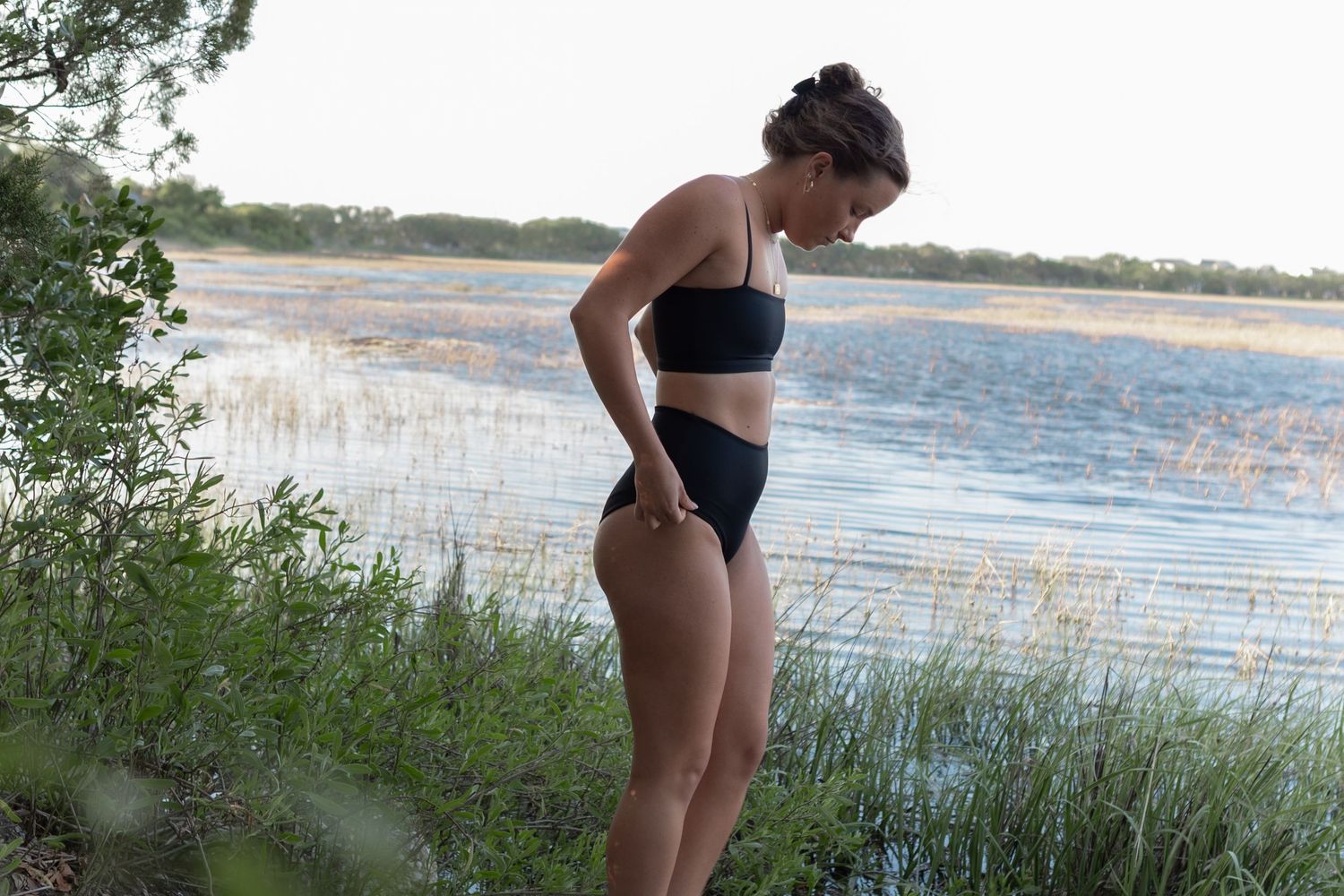
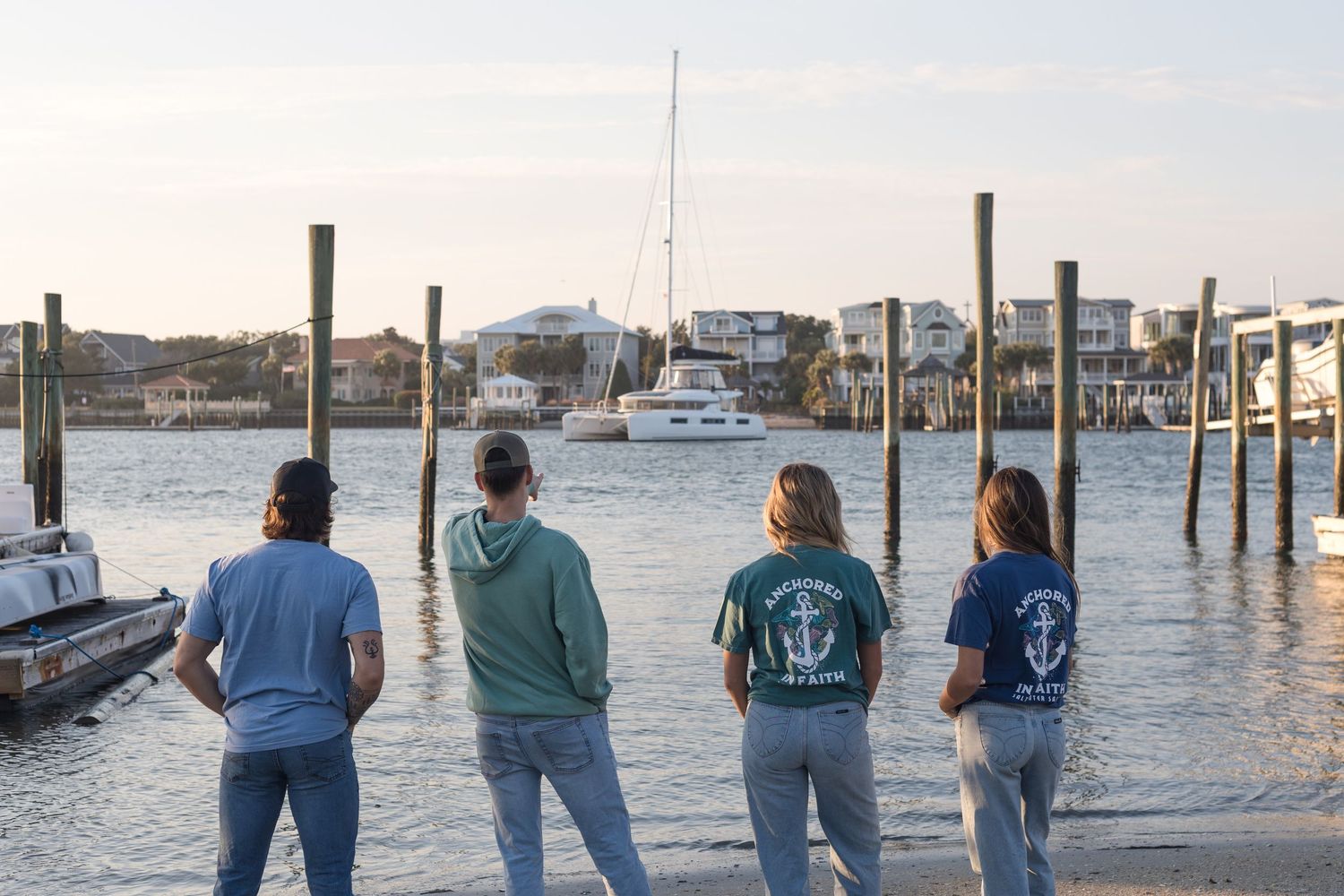
One of the fastest ways to weaken a marketing campaign is to choose between photography or video.
Many outdoor brands invest heavily in one while neglecting the other, creating gaps in the customer journey that cost them sales, and it will typically fly under the radar because you can track video metrics and you can track photo metrics, but you can't track the metric of how they work between each other.
If you choose photography without video, you risk limiting awareness, engagement, and conversions. Your products may look great, but fewer people will discover them and connect with the story behind them.
If you choose video without photography, you create a different problem. Customers may be drawn in by a compelling ad or brand film, only to land on a website filled with inconsistent or low-quality imagery. When that happens, trust begins to disappear.
The reality is that photography and video serve different purposes.
Video attracts attention, builds emotion, and communicates what your brand stands for.
Photography reinforces trust, supports conversion, and creates consistency throughout the customer journey.
The strongest marketing campaigns don't choose one or the other.
They use both.
Understanding the role each plays is the difference between creating content and creating a campaign that consistently generates results.
The Problem With Building a Campaign Around Social Media
I’ve noticed a lot of brands put way too much of a focus on figuring out what they should do for social media.
While social media is important, it shouldn't be the foundation of the campaign.
The reality is that customers interact with your brand in far more places than social media alone.
They see your paid advertisements.
They visit your website.
They browse product pages.
They read emails.
If I were to bet, most of the brands you love aren’t posting many polished pieces of social media content. They’re only doing so when they have a fresh campaign or a new drop. Everything else is UGC and the sticker placement on their top athletes instagram content.
If your entire production is built around creating Instagram content, you're likely leaving opportunities on the table.
A campaign should begin with a clear message and a clear story. Once that story is established, photography and video can work together to communicate it across every channel.
If your brand is struggling to define that message in the first place, I recommend reading my article on Why Most Brands Struggle With Identity and How to Fix It.
What Photography Does Best
Photography excels at quick communication.
A customer can understand an image in a fraction of a second. That's why photography remains one of the most valuable tools in marketing.
Strong photography works exceptionally well for:
- Product pages
- Email marketing
- Print advertisements
- Event marketing
- Catalogs and lookbooks
- Supporting ad copy
One of photography's biggest strengths is its ability to attract attention to information that people might otherwise ignore.
People rarely stop to read blocks of marketing copy.
But pair that same message with a compelling image and suddenly the copy becomes worth reading.
Photography also has an advantage in environments where video isn't practical. A customer driving past a billboard, browsing a website, or opening an email may not have the time at that moment to watch a video, but they will almost certainly see a photograph if the placement is right.
Photography helps communicate quickly and effectively.
What Video Does Best
If photography captures attention, video builds connection.
Video allows brands to create emotion, build trust, and communicate meaning in a way that photography often cannot.
A strong video can show customers what a product does instead of simply telling them about it.
It can demonstrate performance.
It can communicate values.
It can tell stories.
Most importantly, it can help customers understand what a brand stands for.
In my experience, good photography beats bad video every time.
But good video always beats good photography.
That's because video has the ability to combine movement, sound, emotion, storytelling, and demonstration into a single experience.
For outdoor brands in particular, video is often one of the most powerful tools available for building awareness and trust, because it allows people to see what your brand is about and what challenge you are calling your viewers into.
This is one reason why I believe every outdoor brand should understand what a brand film is and why outdoor brands need one.
Why Hero Films Create Better Campaigns
A common question I hear is:
"Why should I invest in a brand film when I could just create more social media content?"
The answer is simple.
Social media content is often consumed once and forgotten.
A strong hero film becomes the foundation of a campaign.
It creates the central story that every other asset supports.
The best hero films live on a website for years. They are referenced repeatedly by customers, shared internally by teams, and revisited whenever someone wants to understand what the brand stands for.
While individual social posts may disappear into the feed after a day or two, a well-executed brand film can continue building trust years after the campaign launch.
Why the Best Campaigns Use Both
Photography and video are often viewed as competing priorities.
In reality, they work best together.
Imagine a customer watches a paid video advertisement.
The ad captures their attention.
The story resonates.
They click through to your website.
What happens next?
If they arrive at a website with weak visuals, inconsistent branding, or generic product photos, the story breaks.
Trust begins to disappear.
Now imagine the opposite scenario.
A website contains beautiful photography, but the brand lacks video content capable of generating awareness and driving new customers into the funnel.
They may like what they see on the website, but without any kind of supporting video, they will have less trust with your brand and give them no reason to connect with you on a deep level where they make an undying loyalty to the brand.
The strongest campaigns avoid this problem entirely.
Video creates momentum.
Photography reinforces it.
Video drives attention.
Photography supports conversion.
Video tells the story.
Photography keeps the story consistent wherever customers encounter the brand.
As I discussed in "Why People Buy From Brands They Trust," trust is built through repeated exposure to a clear and consistent message. Photography and video help create that consistency.
A Real Example
One of the clearest examples I've seen came from a campaign I created for Saltwater Saints, a Christian surf apparel brand.
The campaign included both photography and video.
The video assets were used for advertising and helped drive traffic and sales.
The photography strengthened the website experience and gave customers a consistent visual identity when they arrived.
The messaging, colors, lifestyle, and overall feeling remained consistent throughout the entire customer journey.
Someone could discover the brand through a video advertisement and then land on a website that reinforced the exact same story.
That consistency built trust.
And trust contributed directly to increased sales.
If either the photography or video had been missing, the campaign would have been less effective.
How I Would Allocate a Campaign Budget
If an outdoor brand had a $5,000 campaign budget, I generally wouldn't recommend spending all of it on photography or all of it on video.
Instead, I would typically recommend allocating approximately $1,000-$2,000 toward photography and the remainder toward video production.
The reason is simple.
Video often creates the greatest upside.
A strong video campaign can generate awareness, build trust, and produce significant returns.
Photography provides stability.
It strengthens the website, supports advertisements, improves email marketing, and ensures the campaign remains visually consistent.
When combined, the two mediums reduce risk while maximizing opportunity.
Final Thoughts
Most outdoor brands don't need more content.
They need a cohesive campaign.
A campaign built around a clear message.
A campaign supported by strong photography.
A campaign driven by compelling video.
When photography and video work together, brands create a more consistent customer experience, build trust faster, and give their marketing a greater chance of success.
The goal isn't to collect content.
The goal is to tell a story that customers remember.