Most outdoor brands think they have a brand identity, but they don’t actually stand out.
They’ve got great locations, big walls for climbing, world class waves for surfing, top notch trails for biking and hiking. They have solid visuals and even have really good gear.
But if people watch their content and think:
“I can’t wait to go there”
Instead of:
“If I go there, I need that gear”
They missed the mark.
The Core Problem: Letting the Environment Define the Brand
“But the environment is the core piece of my brand! I have to be somewhere that people think is cool.” This is a big misconception for a lot of outdoor brands. They let the environment dictate their identity.
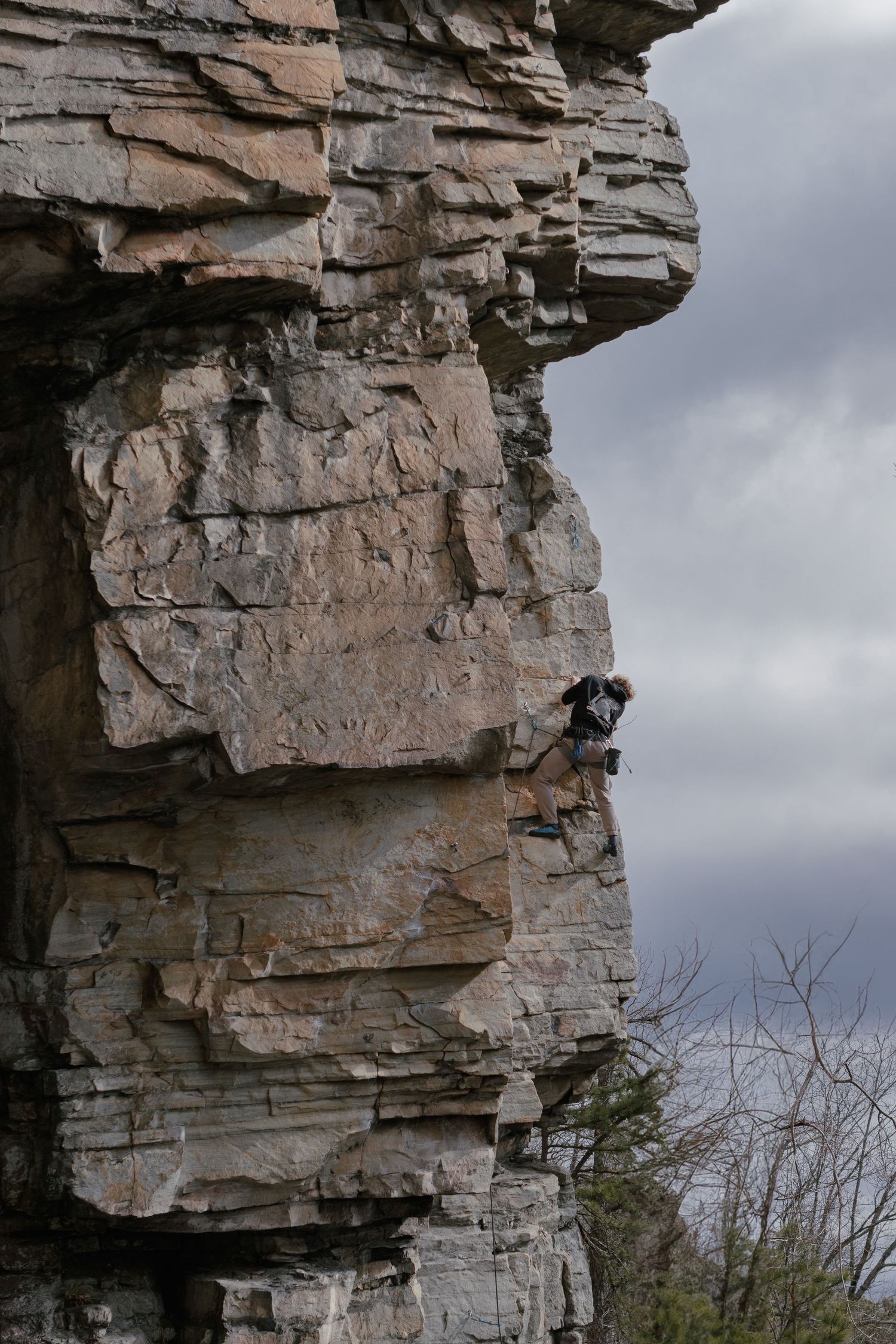
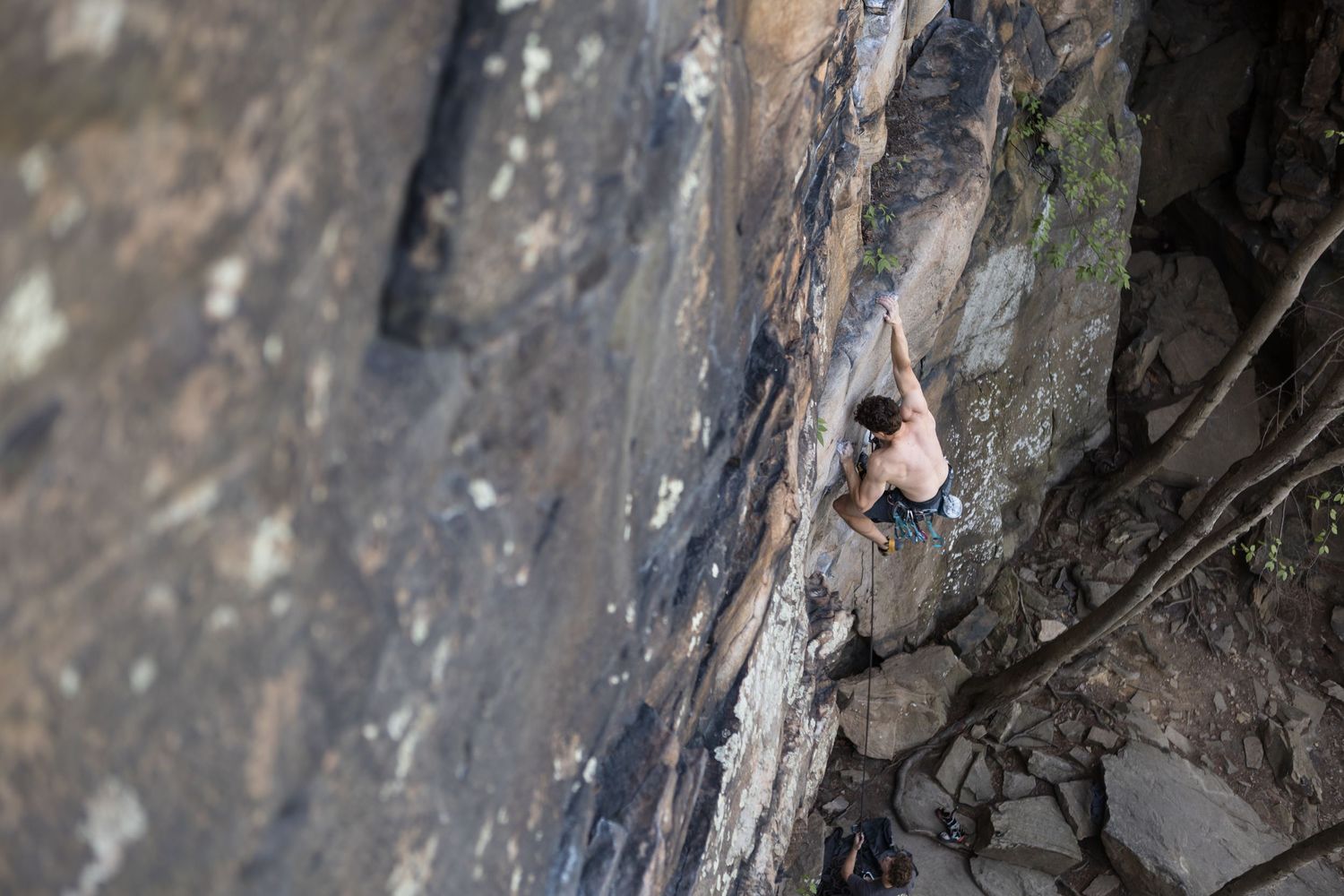
Climbing brands go to Yosemite to try and hook people into watching.
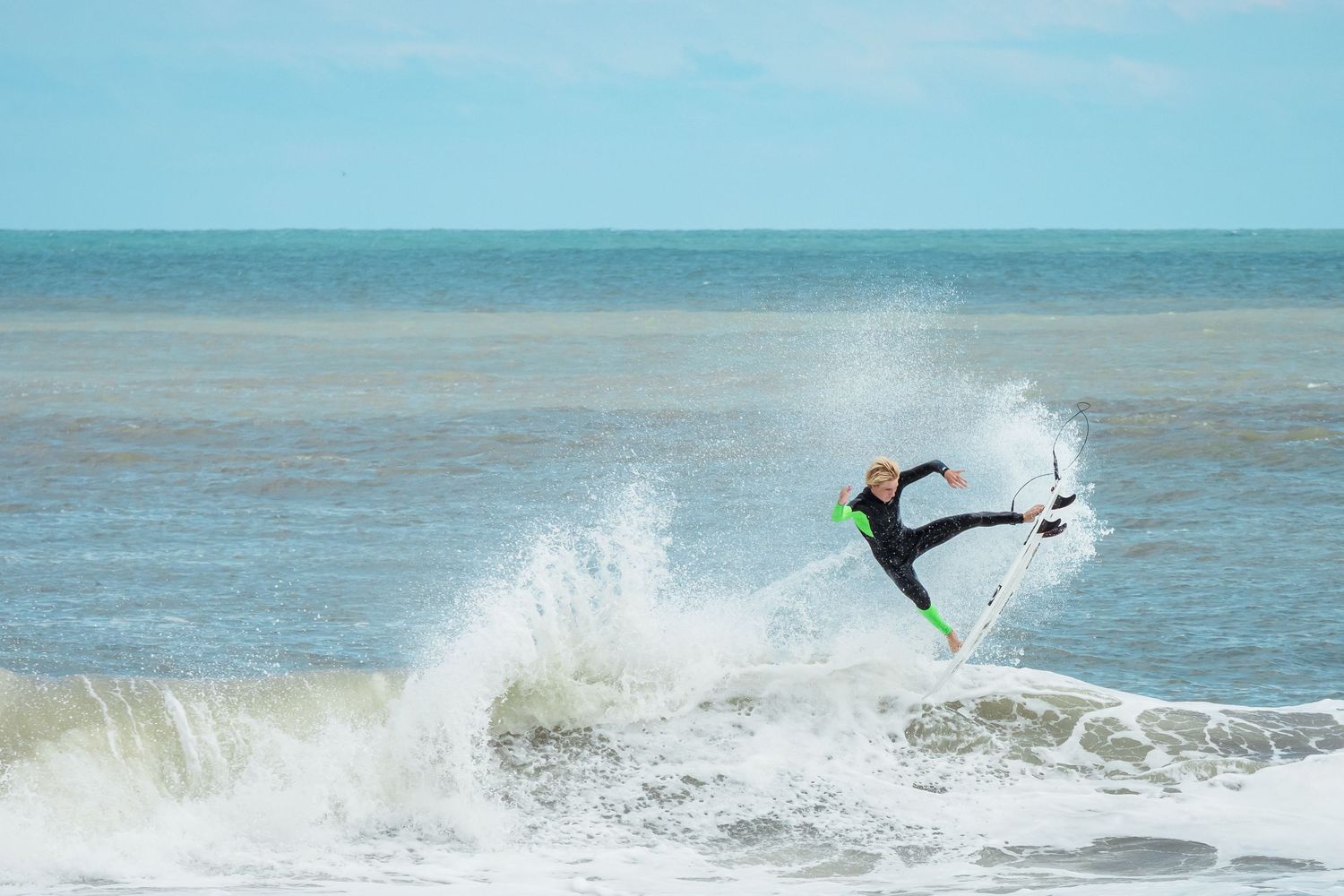
Surf brands go to the North Shore of Oahu to make sure they get good surf.
They put their product in a beautiful place and assume that’s enough.
It’s not.
The environment should just be the stage, you need it to tell the story, but if you can’t transfer the story from one place to another, you have made the environment the stage and the story. That then makes it the main piece of the brand in your campaign.
It will still perform well, but viewers will have the “I can’t wait to go there” takeaway.
What This Looks Like in Real Life
You see it all the time.
Surf brands posting endless clips of people surfing—but there’s no feeling behind it.
Great waves, good surfers, nice footage… but only a select few things really gain traction.
It usually comes down to a few things:
- Trying too hard to sell
- Relying completely on the environment
- No clear or consistent content strategy
The content looks good—but it doesn’t mean anything.
What Strong Brand Identity Actually Looks Like
Strong brands don’t need to explain themselves. You just feel it.
Take The North Face.
If you see someone wearing their apparel, you make a completely subconscious decision that they are a person who loves the outdoors.
Or Futures Fins.
If you see just the sticker on the back of a car, you assume that person is a surfer. It could be an old run down honda civic and you’ll think “nice, they may not be rich
but they love being in the ocean, that's a true surfer. OR it could be on a Rolls Royce and you’ll think “nice, just because they are loaded it doesn’t take away from the surfer they are at their roots. That’s a true surfer.”
That’s brand identity.
They never forced it. They built it over time by creating the association between their brand and who they help their audience become.
Content Is Where Identity Is Proven (or Lost)
Your content is where your brand identity either becomes real or falls apart.
Video, especially, creates the connection between your product and the lifestyle your audience wants to be part of. If you’re not sure what that looks like in practice, I break it down more in this guide on what a brand film is and why outdoor brands need one.
It shows people:
- Where your product belongs
- Who it’s for
- What it feels like to use it
But most brands approach this randomly.
- They shoot without a plan.
- Post inconsistently.
- Treat every piece of content like a one-off.
The best brands don’t do that.
They build content systems, not just content.
A lot of this comes down to planning and how the project is structured from the start—which also plays a big role in how much a brand video actually costs.
The Biggest Misunderstanding: Trying to Sell Instead of Make People Feel
This is where most brands get it wrong.
They think content needs to sell the product.
It doesn’t.
It needs to bridge the gap between who your audience is and who your audience wants to be.
Adventurous. Free. Strong. Capable.
The best brands don’t talk about how good their product is.
They show it.
Take VEIA Supplies.
They don’t just say their leashes are strong, they show them being used in waves most people will never surf. That proves everything.
Or Red Bull.
They don’t talk about energy, they show someone drinking their drink then jumping from space.
If it works, don’t tell your audience - show them.
Short-Term vs Long-Term Thinking
A lot of brands chase viral moments.
And it works—for a second.
But it doesn’t last.
Going viral is like pine straw in a fire.
It burns fast, bright, and disappears just as quickly.
What actually builds a brand is consistency.
A long-term strategy.
A clear identity.
Content that builds over time.
Those are the logs in your fire. You need both to build a brand that lasts.
Why Most Outdoor Brands Actually Struggle
At the end of the day, it usually comes down to this:
- They don’t clearly know who they’re speaking to
- They rely on the environment to create the feeling
- They try to sell the product instead of the identity it creates
The biggest one?
Most outdoor brands don’t struggle to sell their product, they struggle to bridge the gap between who their audience is and who they help their audience become.
Final Thought
Outdoor brands don’t win because of where they shoot.
They win because of what people feel when they see their brand.
If you're still unsure of the best way to execute this, download the free Outdoor Brand Campaign Blueprint and answer the questions to the best way to launch your next campaign and connect with your target audience!